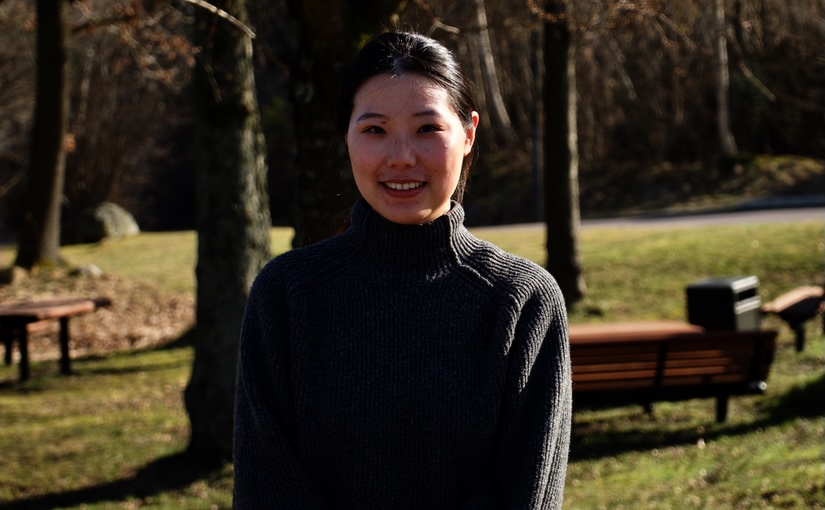
Yan received a Ph.D. degree in Materials Physics and Chemistry, Fudan University, China
In her research, she focuses on multistimuli-responsive microrobots.
Yan received a Ph.D. degree in Materials Physics and Chemistry, Fudan University, China
In her research, she focuses on multistimuli-responsive microrobots.

Mite Mijalkov, Ludvig Storm, Blanca Zufiria-Gerbolés, Dániel Veréb, Zhilei Xu, Anna Canal-Garcia, Jiawei Sun, Yu-Wei Chang, Hang Zhao, Emiliano Gómez-Ruiz, Massimiliano Passaretti, Sara Garcia-Ptacek, Miia Kivipelto, Per Svenningsson, Henrik Zetterberg, Heidi Jacobs, Kathy Lüdge, Daniel Brunner, Bernhard Mehlig, Giovanni Volpe, Joana B. Pereira
Nature Communications 16, 2748 (2025)
doi: 10.1038/s41467-025-57995-0
Memory is a crucial cognitive function that deteriorates with age. However, this ability is normally assessed using cognitive tests instead of the architecture of brain networks. Here, we use reservoir computing, a recurrent neural network computing paradigm, to assess the linear memory capacities of neural-network reservoirs extracted from brain anatomical connectivity data in a lifespan cohort of 636 individuals. The computational memory capacity emerges as a robust marker of aging, being associated with resting-state functional activity, white matter integrity, locus coeruleus signal intensity, and cognitive performance. We replicate our findings in an independent cohort of 154 young and 72 old individuals. By linking the computational memory capacity of the brain network with cognition, brain function and integrity, our findings open new pathways to employ reservoir computing to investigate aging and age-related disorders.
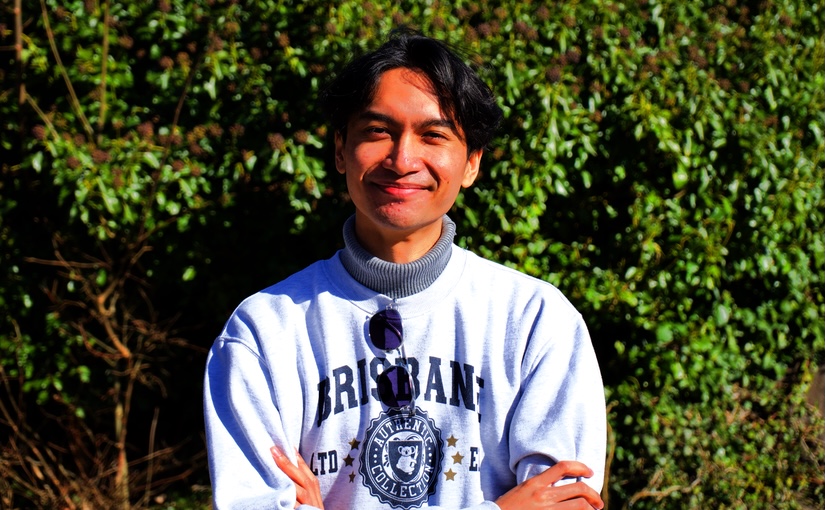
Ade holds a Master of Science degree in Industrial Chemistry from Pukyong National University, South Korea, and has research experience at the Korea Institute of Materials Science (KIMS).
During his PhD, he will focus on nanofabrication and e-paper technology.

Mathilda is a master student in Complex Adaptive Systems at Chalmers University of Technology.
During her time at the Soft Matter Lab, she will work on a project about tracking bacteria in sequences of microscopic images. In particular she will try to solve problems with overlapping bacteria using recurrent neural networks.

Brian is a master student in Physics at the Physics Department of Gothenburg University.
During his time at the Soft Matter Lab, he will work on a project about deep learning based particle tracking and trajectory linking.

The defense will take place in PJ, Institutionen för fysik, Origovägen 6b, Göteborg, at 13:00.
Title: Annotation-free deep learning for quantitative microscopy
Abstract: Quantitative microscopy is an essential tool for studying and understanding microscopic structures. However, analyzing the large and complex datasets generated by modern microscopes presents significant challenges. Manual analysis is time-intensive and subjective, rendering it impractical for large datasets. While automated algorithms offer faster and more consistent results, they often require careful parameter tuning to achieve acceptable performance, and struggle to interpret the more complex data produced by modern microscopes. As such, there is a pressing need to develop new, scalable analysis methods for quantitative microscopy. In recent years, deep learning has transformed the field of computer vision, achieving superhuman performance in tasks ranging from image classification to object detection. However, this success depends on large, annotated datasets, which are often unavailable in microscopy. As such, to successfully and efficiently apply deep learning to microscopy, new strategies that bypass the dependency on extensive annotations are required. In this dissertation, I aim to lower the barrier for applying deep learning in microscopy by developing methods that do not rely on manual annotations and by providing resources to assist researchers in using deep learning to analyze their own microscopy data. First, I present two cases where training annotations are generated through alternative means that bypass the need for human effort. Second, I introduce a deep learning method that leverages symmetries in both the data and the task structure to train a statistically optimal model for object detection without any annotations. Third, I propose a method based on contrastive learning to estimate nanoparticle sizes in diffraction-limited microscopy images, without requiring annotations or prior knowledge of the optical system. Finally, I deliver a suite of resources that empower researchers in applying deep learning to microscopy. Through these developments, I aim to demonstrate that deep learning is not merely a “black box” tool. Instead, effective deep learning models should be designed with careful consideration of the data, assumptions, task structure, and model architecture, encoding as much prior knowledge as possible. By structuring these interactions with care, we can develop models that are more efficient, interpretable, and generalizable, enabling them to tackle a wider range of microscopy tasks.
Thesis: https://hdl.handle.net/2077/84178
Supervisor: Giovanni Volpe
Examiner: Dag Hanstorp
Opponent: Ivo Sbalzarini
Committee: Susan Cox, Maria Arrate Munoz Barrutia, Ignacio Arganda-Carreras
Alternate board member: Måns Henningson


fluorescence microscopy imaging
Ivo Sbalzarini
Max Planck Institute of Molecular Cell Biology and Genetics
Center for Systems Biology Dresden
https://sbalzarini-lab.org/
Date: 9 January 2025
Time: 11:00
Place: Nexus
Viktor Martvall, Henrik Klein Moberg, Athanasios Theodoridis, David Tomeček, Pernilla Ekborg-Tanner, Sara Nilsson, Giovanni Volpe, Paul Erhart, Christoph Langhammer
ACS Sensors 10, 376–386 (2025)
arXiv: 2312.15372
doi: 10.1021/acssensors.4c02616
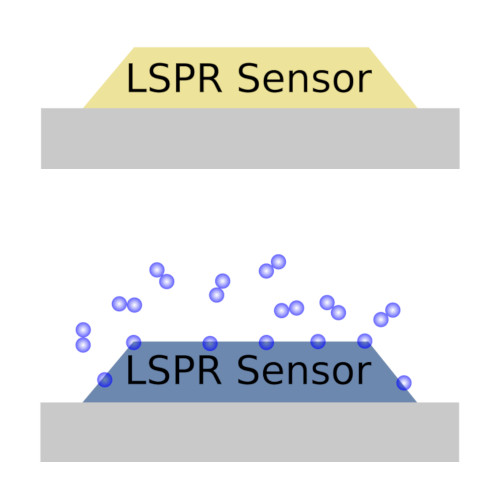
Rapidly detecting hydrogen leaks is critical for the safe large-scale implementation of hydrogen technologies. However, to date, no technically viable sensor solution exists that meets the corresponding response time targets under technically relevant conditions. Here, we demonstrate how a tailored long short-term transformer ensemble model for accelerated sensing (LEMAS) speeds up the response of an optical plasmonic hydrogen sensor by up to a factor of 40 and eliminates its intrinsic pressure dependence in an environment emulating the inert gas encapsulation of large-scale hydrogen installations by accurately predicting its response value to a hydrogen concentration change before it is physically reached by the sensor hardware. Moreover, LEMAS provides a measure for the uncertainty of the predictions that are pivotal for safety-critical sensor applications. Our results advertise the use of deep learning for the acceleration of sensor response, also beyond the realm of plasmonic hydrogen detection.

Gerhard Jung, Rinske M. Alkemade, Victor Bapst, Daniele Coslovich, Laura Filion, François P. Landes, Andrea J. Liu, Francesco Saverio Pezzicoli, Hayato Shiba, Giovanni Volpe, Francesco Zamponi, Ludovic Berthier & Giulio Biroli
Nature Review Physics (2025)
doi: 10.1038/s42254-024-00791-4
arxiv: 2311.14752
Unravelling the connections between microscopic structure, emergent physical properties and slow dynamics has long been a challenge when studying the glass transition. The absence of clear visible structural order in amorphous configurations complicates the identification of the key physical mechanisms underpinning slow dynamics. The difficulty in sampling equilibrated configurations at low temperatures hampers thorough numerical and theoretical investigations. We explore the potential of machine learning (ML) techniques to face these challenges, building on the algorithms that have revolutionized computer vision and image recognition. We present both successful ML applications and open problems for the future, such as transferability and interpretability of ML approaches. To foster a collaborative community effort, we also highlight the ‘GlassBench’ dataset, which provides simulation data and benchmarks for both 2D and 3D glass formers. We compare the performance of emerging ML methodologies, in line with benchmarking practices in image and text recognition. Our goal is to provide guidelines for the development of ML techniques in systems displaying slow dynamics and inspire new directions to improve our theoretical understanding of glassy liquids.
Shuyang Yao, Arvid Harder, Fahimeh Darki, Yu-Wei Chang , Ang Li, Kasra Nikouei, Giovanni Volpe, Johan N Lundström, Jian Zeng , Naomi Wray, Yi Lu, Patrick F Sullivan, Jens Hjerling-Leffler
Nature Communications 16, 395 (2025)
doi: 10.1038/s41467-024-55611-1
medRxiv: 10.1101/2024.01.18.24301478
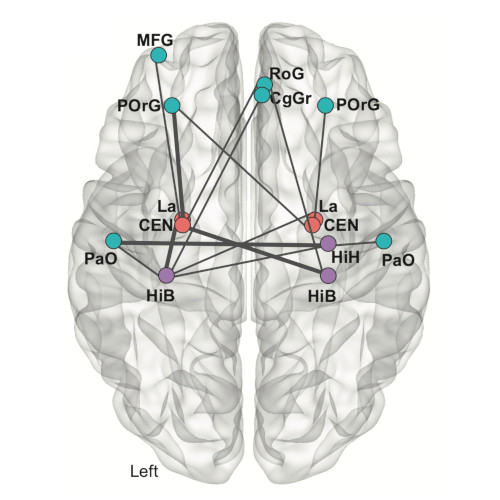
Identifying cell types and brain regions critical for psychiatric disorders and brain traits is essential for targeted neurobiological research. By integrating genomic insights from genome-wide association studies with a comprehensive single-cell transcriptomic atlas of the adult human brain, we prioritized specific neuronal clusters significantly enriched for the SNP-heritabilities for schizophrenia, bipolar disorder, and major depressive disorder along with intelligence, education, and neuroticism. Extrapolation of cell-type results to brain regions reveals the whole-brain impact of schizophrenia genetic risk, with subregions in the hippocampus and amygdala exhibiting the most significant enrichment of SNP-heritability. Using functional MRI connectivity, we further confirmed the significance of the central and lateral amygdala, hippocampal body, and prefrontal cortex in distinguishing schizophrenia cases from controls. Our findings underscore the value of single-cell transcriptomics in understanding the polygenicity of psychiatric disorders and suggest a promising alignment of genomic, transcriptomic, and brain imaging modalities for identifying common biological targets.


