Giovanni Volpe awarded the Göran Gustafsson prize

(Photo by Johan Wingborg.)
Giovanni Volpe was awarded one of Sweden’s most prestigious prizes for physics, the Göran Gustafsson Prize, which is handed out by the Göran Gustafsson Foundation with the help of the Royal Swedish Academy of Sciences. Giovanni receives the physics prize “for boundary breaking research focusing on microscopic particles with active functions”. The prize sum is 6.3 million SEK.

More details here:
Press release of Gothenburg University: Giovanni Volpe receives prestigious Göran Gustafsson prize
Press release of Kungl. Vetenskapsakademien: 33 miljoner till forskning om bland annat TBE och smarta mikropartiklar

Dual-Angle Interferometric Scattering Microscopy for Optical Multiparametric Particle Characterization published in Nano Letters

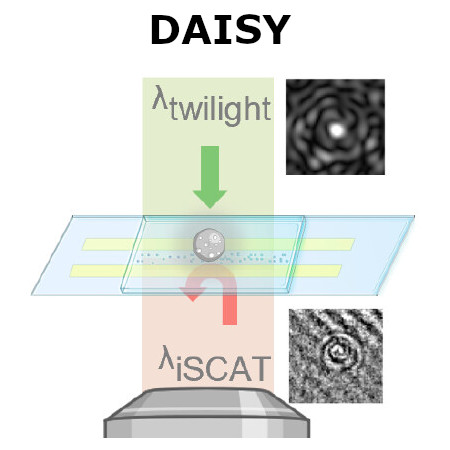
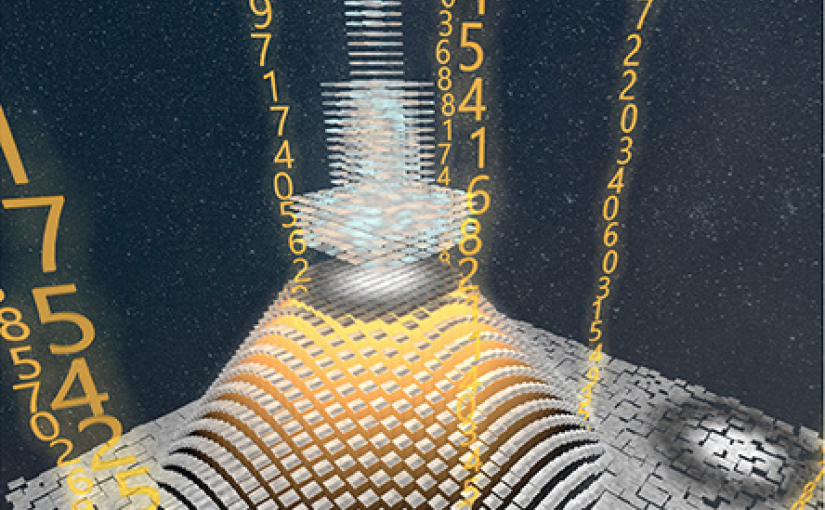
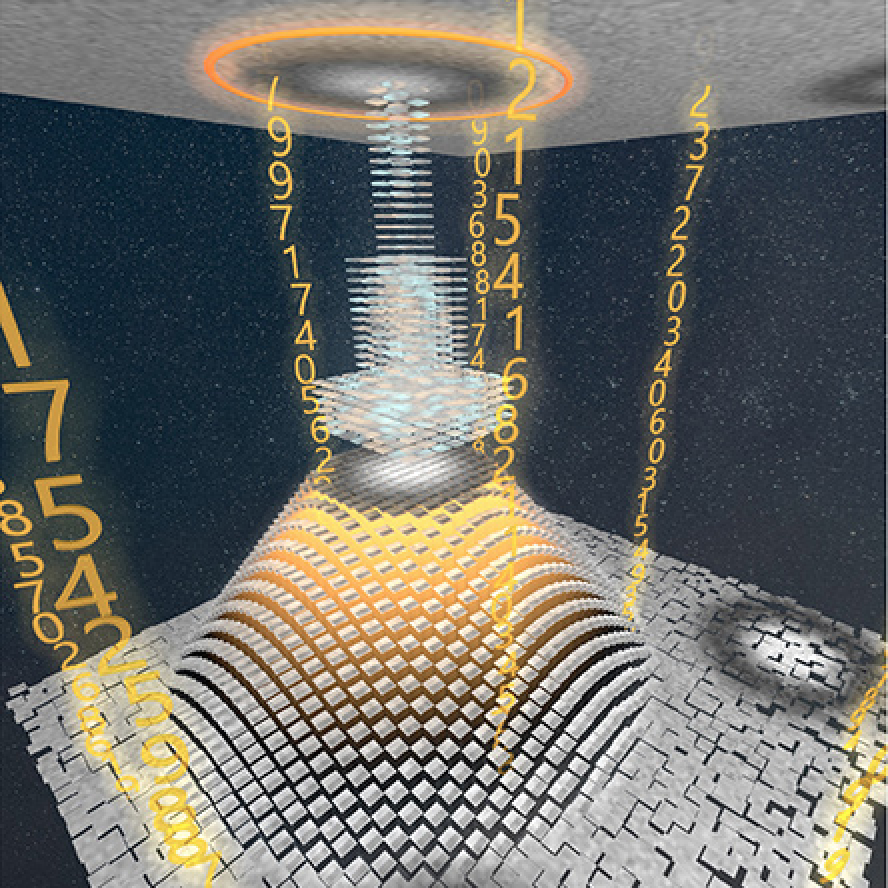
Conceptual schematic of dual-angle interferometric scattering microscopy (DAISY). (Image by the Authors of the manuscript.)
Dual-Angle Interferometric Scattering Microscopy for Optical Multiparametric Particle Characterization
Erik Olsén, Berenice García Rodríguez, Fredrik Skärberg, Petteri Parkkila, Giovanni Volpe, Fredrik Höök, and Daniel Sundås Midtvedt
Nano Letters, 24(6), 1874-1881 (2024)
doi: 10.1021/acs.nanolett.3c03539
arXiv: 2309.07572

Traditional single-nanoparticle sizing using optical microscopy techniques assesses size via the diffusion constant, which requires suspended particles to be in a medium of known viscosity. However, these assumptions are typically not fulfilled in complex natural sample environments. Here, we introduce dual-angle interferometric scattering microscopy (DAISY), enabling optical quantification of both size and polarizability of individual nanoparticles (radius <170 nm) without requiring a priori information regarding the surrounding media or super-resolution imaging. DAISY achieves this by combining the information contained in concurrently measured forward and backward scattering images through twilight off-axis holography and interferometric scattering (iSCAT). Going beyond particle size and polarizability, single-particle morphology can be deduced from the fact that the hydrodynamic radius relates to the outer particle radius, while the scattering-based size estimate depends on the internal mass distribution of the particles. We demonstrate this by differentiating biomolecular fractal aggregates from spherical particles in fetal bovine serum at the single-particle level.

Colloquium by G. Volpe at the Mini-Symposium with Giovanni Volpe and Pawel Sikorski, Lund, 11 January 2024

(Image by A. Argun)
Deep Learning for Imaging and Microscopy
Giovanni Volpe
Mini-Symposium with Giovanni Volpe and Pawel Sikorski, Lund, Sweden, 11 January 2024
Date: 11 January 2024
Time: 15:15

Video microscopy has a long history of providing insights and breakthroughs for a broad range of disciplines, from physics to biology. Image analysis to extract quantitative information from video microscopy data has traditionally relied on algorithmic approaches, which are often difficult to implement, time consuming, and computationally expensive. Recently, alternative data-driven approaches using deep learning have greatly improved quantitative digital microscopy, potentially offering automatized, accurate, and fast image analysis. However, the combination of deep learning and video microscopy remains underutilized primarily due to the steep learning curve involved in developing custom deep-learning solutions. To overcome this issue, we have introduced a software, DeepTrack 2.1, to design, train and validate deep-learning solutions for digital microscopy.

Symposium on AI, Neuroscience, and Aging featured on ANSA.it

The Symposium on AI, Neuroscience, and Aging has been featured on ANSA.it news, in an article with title: Simposio italo-svedese a Stoccolma sull’IA e la neuroscienza (Italian).

ANSA (an acronym standing for Agenzia Nazionale Stampa Associata) is the leading news agency in Italy and one of the top ranking in the world.

Optimal calibration of optical tweezers with arbitrary integration time and sampling frequencies – A general framework published in Biomedical Optics Express

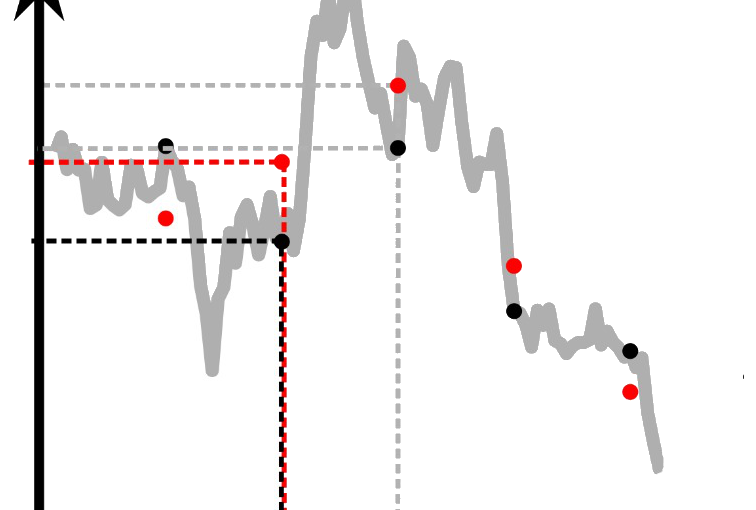
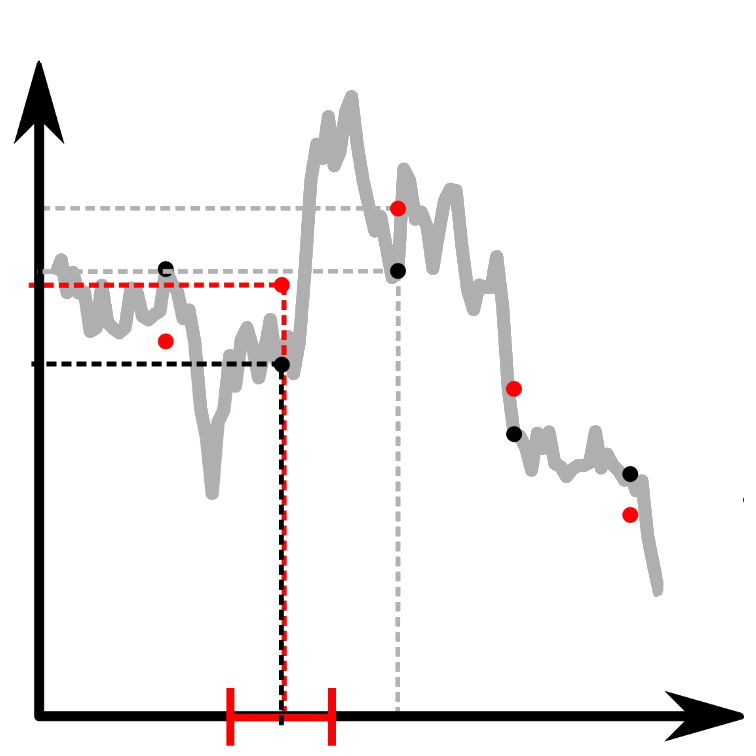
Different sampling methods for the trajectory of a particle. (Adapted from the manuscript.)
Optimal calibration of optical tweezers with arbitrary integration time and sampling frequencies — A general framework
Laura Pérez-García, Martin Selin, Antonio Ciarlo, Alessandro Magazzù, Giuseppe Pesce, Antonio Sasso, Giovanni Volpe, Isaac Pérez Castillo, Alejandro V. Arzola
Biomedical Optics Express, 14, 6442-6469 (2023)
doi: 10.1364/BOE.495468
arXiv: 2305.07245

Optical tweezers (OT) have become an essential technique in several fields of physics, chemistry, and biology as precise micromanipulation tools and microscopic force transducers. Quantitative measurements require the accurate calibration of the trap stiffness of the optical trap and the diffusion constant of the optically trapped particle. This is typically done by statistical estimators constructed from the position signal of the particle, which is recorded by a digital camera or a quadrant photodiode. The finite integration time and sampling frequency of the detector need to be properly taken into account. Here, we present a general approach based on the joint probability density function of the sampled trajectory that corrects exactly the biases due to the detector’s finite integration time and limited sampling frequency, providing theoretical formulas for the most widely employed calibration methods: equipartition, mean squared displacement, autocorrelation, power spectral density, and force reconstruction via maximum-likelihood-estimator analysis (FORMA). Our results, tested with experiments and Monte Carlo simulations, will permit users of OT to confidently estimate the trap stiffness and diffusion constant, extending their use to a broader set of experimental conditions.

Talk by G. Volpe at the Symposium on AI, Neuroscience, and Aging, Stockholm, 27 November 2023

(Image by A. Argun)
Deep Learning for Imaging and Microscopy
Giovanni Volpe
Symposium on AI, Neuroscience, and Aging, Stockholm, Sweden, 27 November 2023
Date: 27 November 2023
Time: 15:55

Video microscopy has a long history of providing insights and breakthroughs for a broad range of disciplines, from physics to biology. Image analysis to extract quantitative information from video microscopy data has traditionally relied on algorithmic approaches, which are often difficult to implement, time consuming, and computationally expensive. Recently, alternative data-driven approaches using deep learning have greatly improved quantitative digital microscopy, potentially offering automatized, accurate, and fast image analysis. However, the combination of deep learning and video microscopy remains underutilized primarily due to the steep learning curve involved in developing custom deep-learning solutions. To overcome this issue, we have introduced a software, DeepTrack 2.1, to design, train and validate deep-learning solutions for digital microscopy. We use it to exemplify how deep learning can be employed for a broad range of applications, from particle localization, tracking and characterization to cell counting and classification. Thanks to its user- friendly graphical interface, DeepTrack 2.1 can be easily customized for user-specific applications, and, thanks to its open-source object-oriented programming, it can be easily expanded to add features and functionalities, potentially introducing deep-learning-enhanced video microscopy to a far wider audience.

Environmental Memory Boosts Group Formation of Clueless Individuals published in Nature Communications

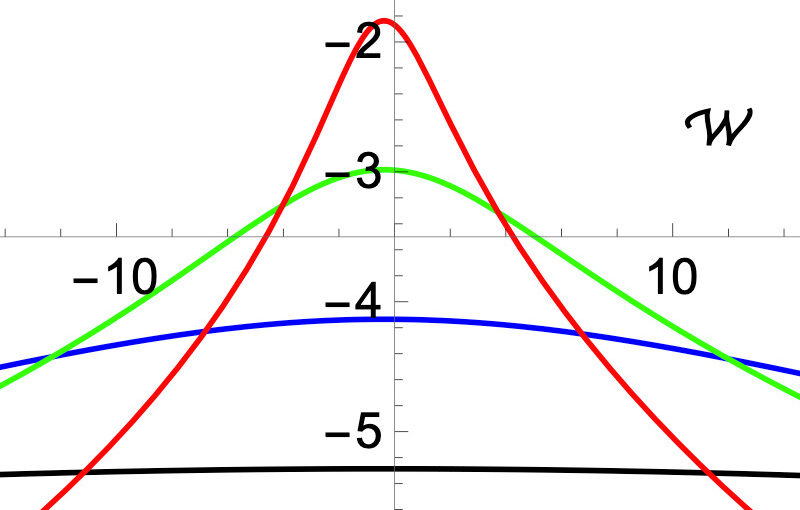
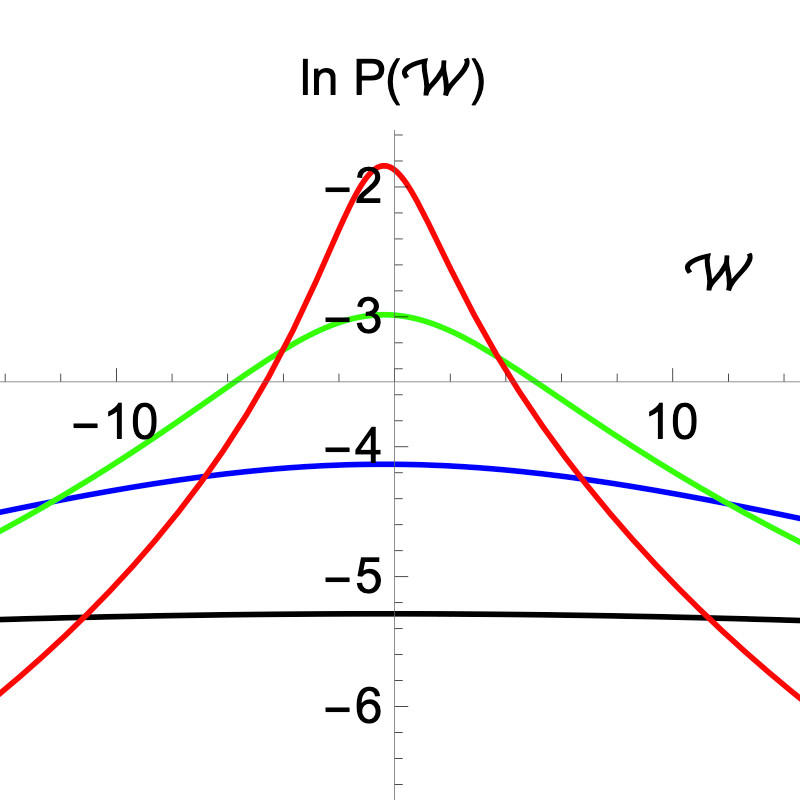
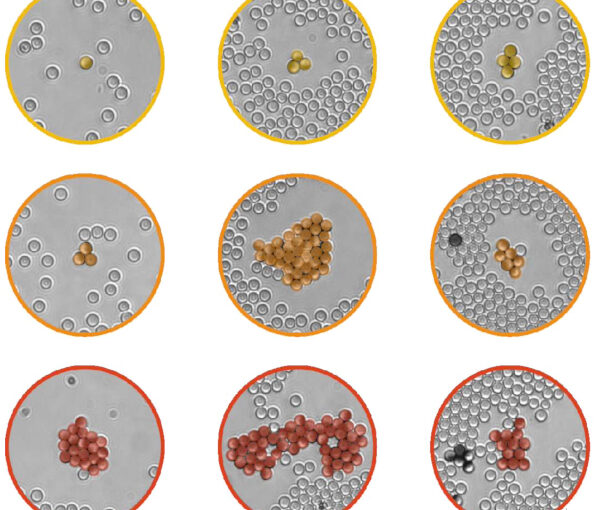
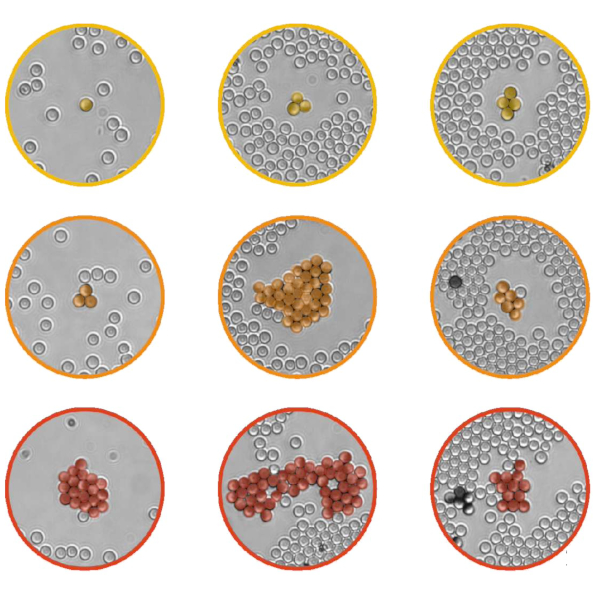
Non-monotonic size dependence of group formation on environmental crowding. (Excerpt from Fig. 2 of the manuscript.)
Environmental Memory Boosts Group Formation of Clueless Individuals
Cristóvão S. Dias, Manish Trivedi, Giovanni Volpe, Nuno A. M. Araújo, Giorgio Volpe
Nature Communications, 14, 7324 (2023)
doi: 10.1038/s41467-023-43099-0
arXiv: 2306.00516

The formation of groups of interacting individuals improves performance and fitness in many decentralised systems, from micro-organisms to social insects, from robotic swarms to artificial intelligence algorithms. Often, group formation and high-level coordination in these systems emerge from individuals with limited information-processing capabilities implementing low-level rules of communication to signal to each other. Here, we show that, even in a community of clueless individuals incapable of processing information and communicating, a dynamic environment can coordinate group formation by transiently storing memory of the earlier passage of individuals. Our results identify a new mechanism of indirect coordination via shared memory that is primarily promoted and reinforced by dynamic environmental factors, thus overshadowing the need for any form of explicit signalling between individuals. We expect this pathway to group formation to be relevant for understanding and controlling self-organisation and collective decision making in both living and artificial active matter in real-life environments.

Giovanni Volpe awarded the Faculty of Science’s 2023 Research Award

(Image adapted from here.)
Giovanni Volpe received the Faculty of Science’s 2023 Research Award for using methods from physics to look into complex and biological systems.

The Research Award of the Faculty of Science of the University of Gothenburg recognizes development of a research specialization that significantly contributes to novelty in the faculty’s research. The award recipient receives a diploma and a research grant of SEK 250,000. This year, the award ceremony will be held on 19 October.

A short interview with Giovanni Volpe regarding this achievement can be found at the link: Giovanni Volpe awarded the Faculty of Science’s 2023 Research Award.

Bubble-propelled micromotors for ammonia generation published in Nanoscale

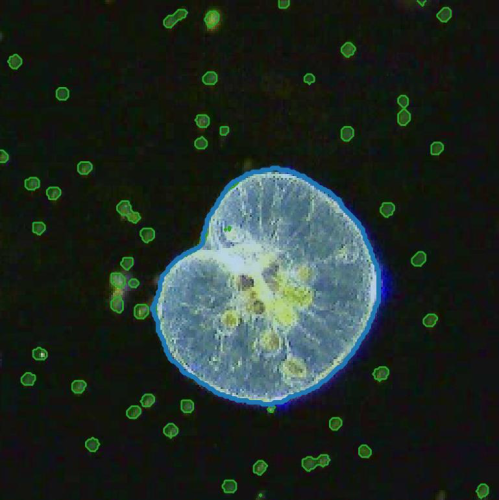
Bubble-propelled micromotors tracked by deep learning. (Image by H. Bachimanchi.)
Bubble-propelled micromotors for ammonia generation
Rebeca Ferrer Campos, Harshith Bachimanchi, Giovanni Volpe, Katherine Villa
Nanoscale (2023)
doi: 10.1039/D3NR03804A

Micromotors have emerged as promising tools for environmental remediation, thanks to their ability to autonomously navigate and perform specific tasks at the microscale. In this study, we present the development of MnO2 tubular micromotors modified with laccase for enhanced oxidation of organic pollutants by providing an additional oxidative catalytic pathway for pollutant removal. These modified micromotors exhibit efficient ammonia generation through the catalytic decomposition of urea, suggesting their potential application in the field of green energy generation. Compared to bare micromotors, the MnO2 micromotors modified with laccase exhibit a 20% increase in rhodamine B degradation. Moreover, the generation of ammonia increased from 2 to 31 ppm in only 15 min, evidencing their high catalytic activity. To enable precise tracking of the micromotors and measurement of their speed, a deep-learning-based tracking system was developed. Overall, this work expands the potential applicability of bio-catalytic tubular micromotors in the energy field.