News

Seminar by G. Volpe at Vi2, University of Uppsala, 17 May 2021

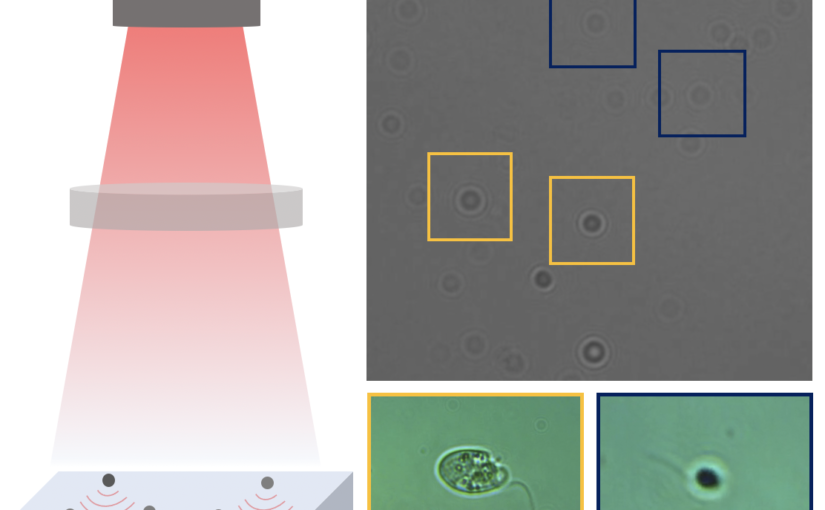
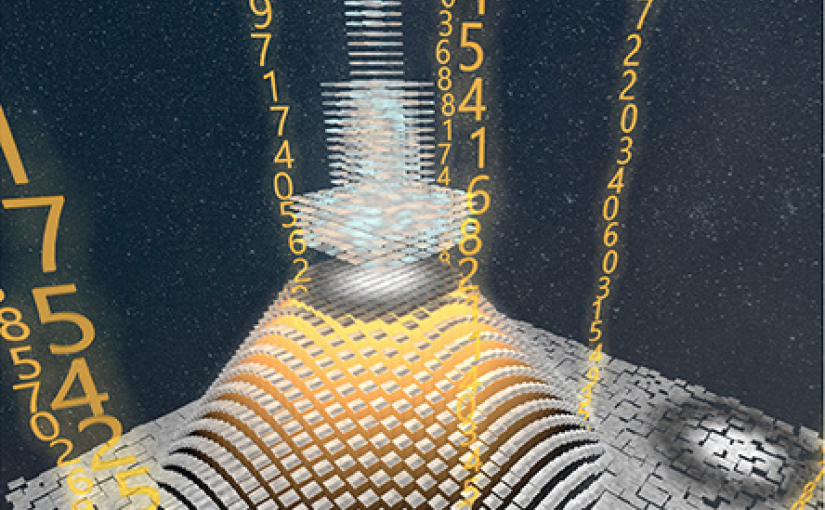
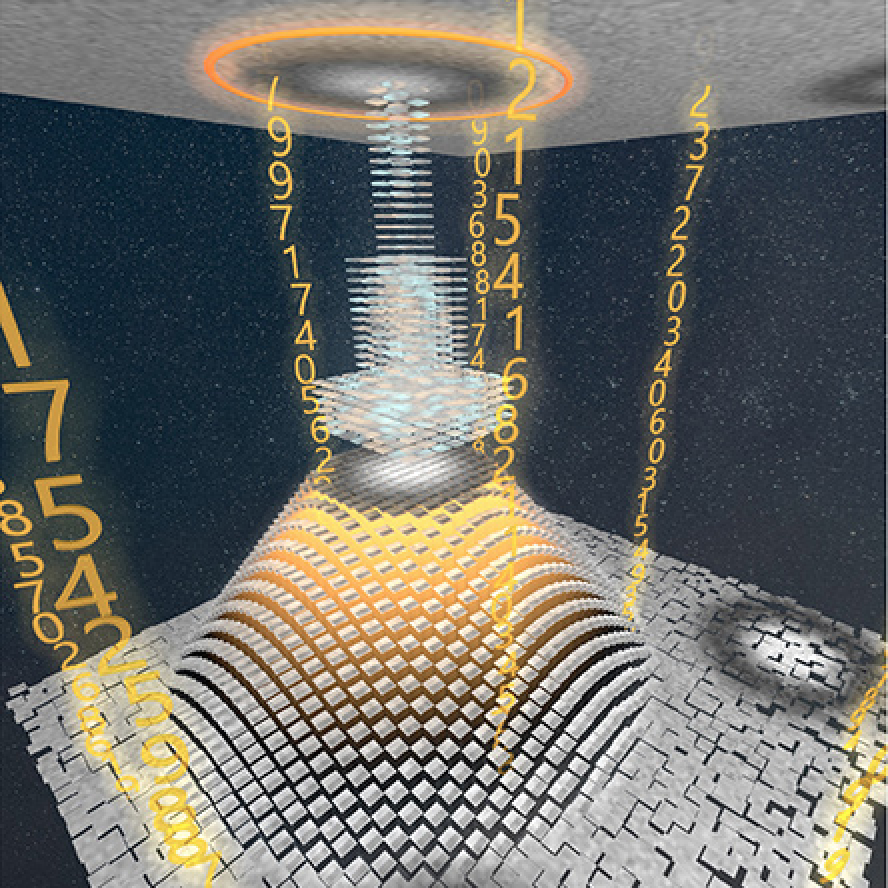
Deep learning for particle tracking. (Image by Aykut Argun.)
Quantitative Digital Microscopy with Deep Learning
Giovanni Volpe
Seminar
Vi2 Seminar (Visual Information and Interaction)
University of Uppsala
17 May 2021, 14:15 CEST
Online

Video microscopy has a long history of providing insights and breakthroughs for a broad range of disciplines, from physics to biology. Image analysis to extract quantitative information from video microscopy data has traditionally relied on algorithmic approaches, which are often difficult to implement, time consuming, and computationally expensive. Recently, alternative data-driven approaches using deep learning have greatly improved quantitative digital microscopy, potentially offering automatized, accurate, and fast image analysis. However, the combination of deep learning and video microscopy remains underutilized primarily due to the steep learning curve involved in developing custom deep-learning solutions. To overcome this issue, we introduce a software, DeepTrack 2.0, to design, train and validate deep-learning solutions for digital microscopy. We use it to exemplify how deep learning can be employed for a broad range of applications, from particle localization, tracking and characterization to cell counting and classification. Thanks to its user-friendly graphical interface, DeepTrack 2.0 can be easily customized for user-specific applications, and, thanks to its open-source object-oriented programming, it can be easily expanded to add features and functionalities, potentially introducing deep-learning-enhanced video microscopy to a far wider audience.

Bio: Giovanni Volpe is Professor at the Physics Department at the University of Gothenburg (Gothenburg, Sweden), where he has been leading the Soft Matter Lab since 2016. He has established a strong research group of 18 people (3 postdocs, 12 PhD students, 3 Master students, http://www.softmatterlab.org ) with an externally-funded, ambitious and interdisciplinary research program that combines soft condensed matter, optical manipulation, nanotechnology, and machine learning. He has attracted external funding exceeding 6M €, including several national and European grants such as the ERC-StG ComplexSwimmers (2016-2021) and the ERC-CoG MAPEI (2021-2026). He is a co-funder of the startup companies Lucero Bio and IFLAI.

Link: Vi2 Seminars (zoom link included in the webpage)
Improving epidemic testing and containment strategies using machine learning published in Machine Learning: Science and Technology

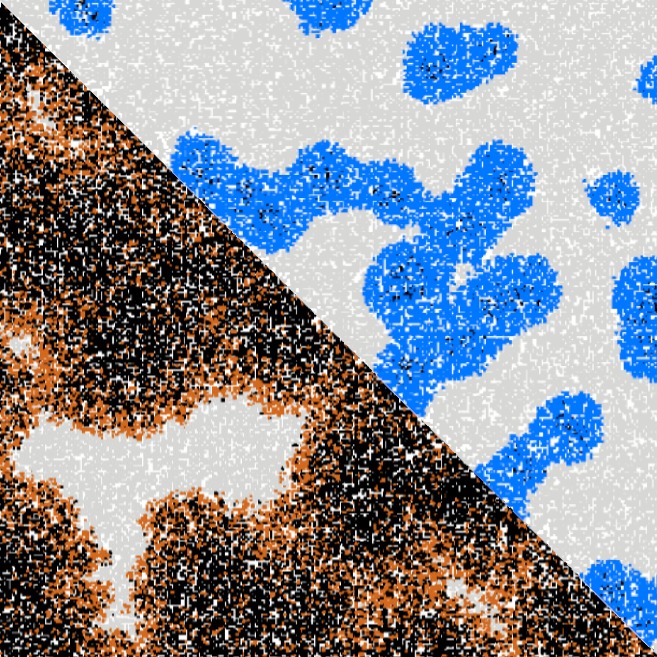
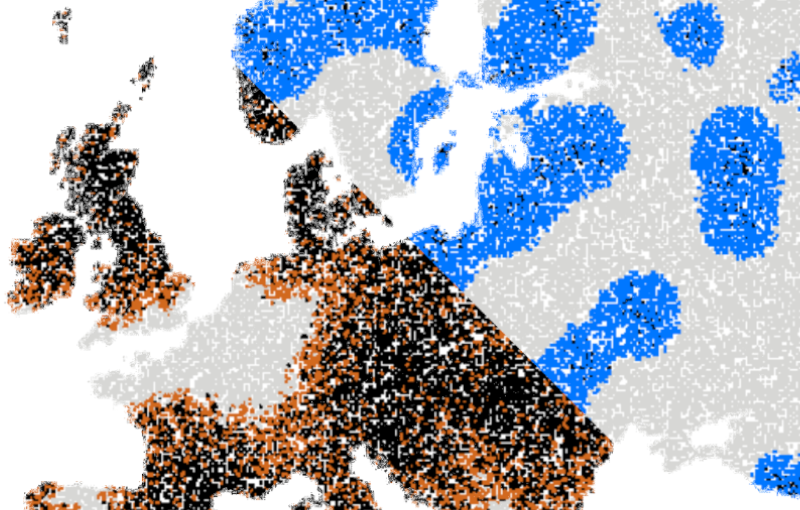
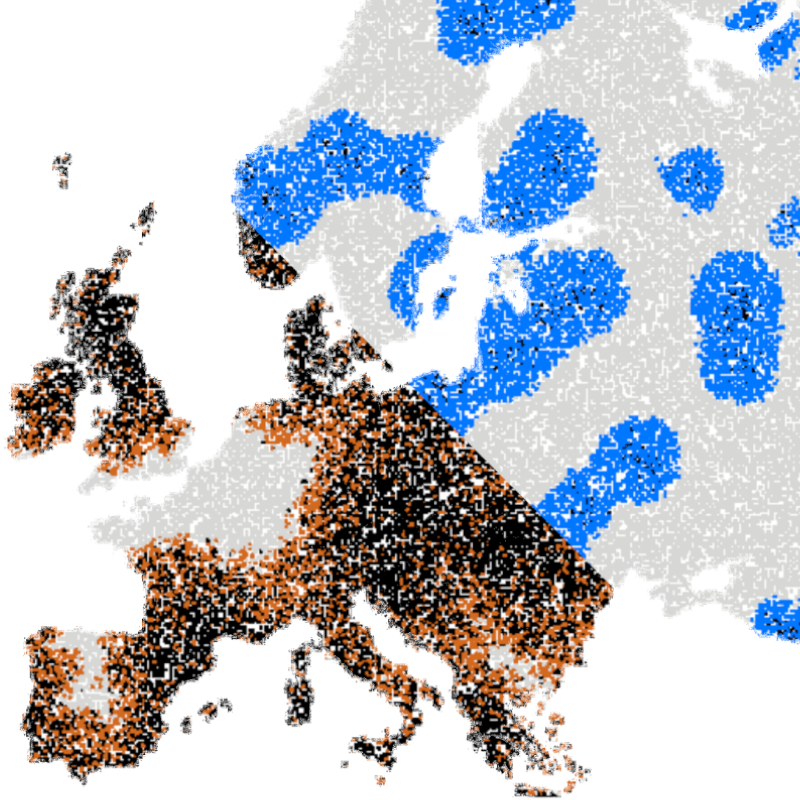
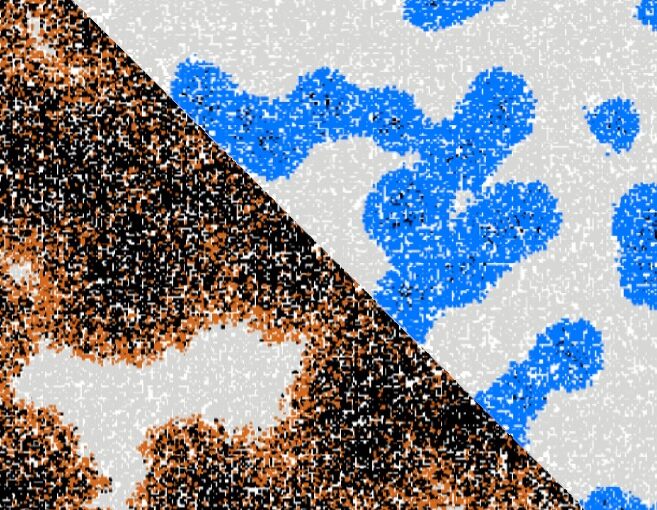
Comparison of different evolution regimes of disease spreading: free evolution (bottom left half) vs network strategy (top right half).
Improving epidemic testing and containment strategies using machine learning
Laura Natali, Saga Helgadottir, Onofrio M. Maragò, Giovanni Volpe
Machine Learning: Science and Technology, 2 035007 (2021)
doi: 10.1088/2632-2153/abf0f7
arXiv: 2011.11717

Containment of epidemic outbreaks entails great societal and economic costs. Cost-effective containment strategies rely on efficiently identifying infected individuals, making the best possible use of the available testing resources. Therefore, quickly identifying the optimal testing strategy is of critical importance. Here, we demonstrate that machine learning can be used to identify which individuals are most beneficial to test, automatically and dynamically adapting the testing strategy to the characteristics of the disease outbreak. Specifically, we simulate an outbreak using the archetypal susceptible-infectious-recovered (SIR) model and we use data about the first confirmed cases to train a neural network that learns to make predictions about the rest of the population. Using these prediction, we manage to contain the outbreak more effectively and more quickly than with standard approaches. Furthermore, we demonstrate how this method can be used also when there is a possibility of reinfection (SIRS model) to efficiently eradicate an endemic disease.

Presentation by G. Volpe at NINa Digital Symposium, 11 May 2021

Deep learning for particle tracking. (Image by Aykut Argun.)
Photonics, Brain Connectivity, Deep Learning, and Entrepreneurship at GU Physics
Giovanni Volpe
Seminar
NINa Digital Symposium
11 May 2021, 13:40 CEST

The Soft Matter Lab at Gothenburg University focuses on research at the nexus between photonics, brain connectivity and deep learning. In this presentation, I’ll briefly show our activities along these research directions that can be most interesting for an industry-academia partnership. These include: (1) The development of tools for quantitative digital microscopy enhanced by deep learning, in particular with the recent launch of the Python-based software platform DeepTrack 2.0. (2) The development of tools for the study of brain connectivity, especially within the context of the development of diagnostic and therapeutic tools for neurodegenerative diseases, in particular with the upcoming launch of the Matlab-based software platform Braph 2.0. (3) The development of tools of tools bridging photonics and machine learning. Finally, I’ll briefly present our new startup companies Lucerio Bio and IFLAI.

Presentation by H. Bachimanchi at M2C2, Weizmann Institute, Israel, 5 May 2021

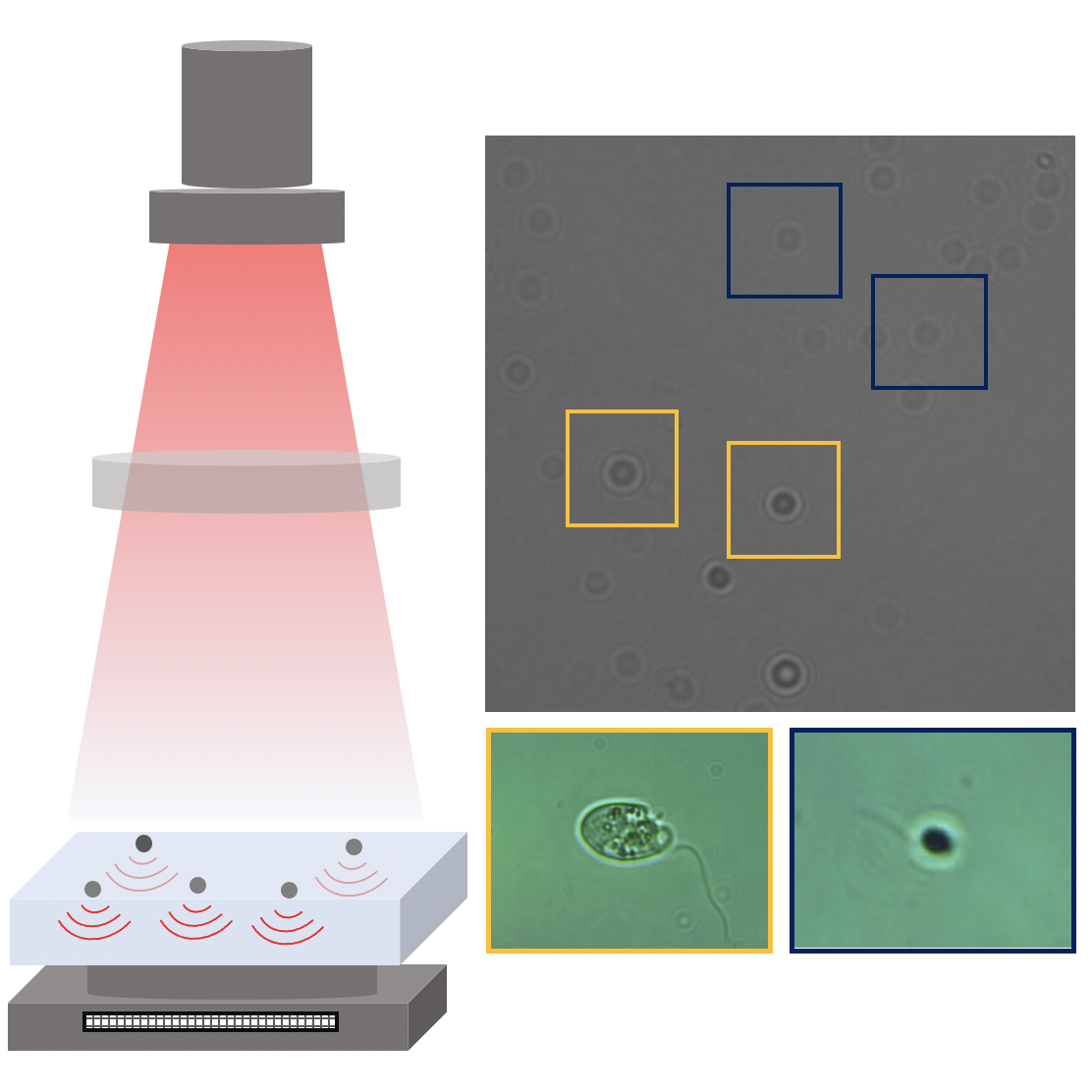
Classification of phytoplankton (blue) and microzooplankton (orange) by holography + deep learning: Schematic of the experimental setup (left). (Image by Harshith Bachimanchi.)
Microzooplankton classification and their feeding patterns by digital holographic microscopy and deep learning
Harshith Bachimanchi
Presentation at Marine Microbial Chemical Communication (M2C2) webinar series
(online) at Weizmann institute of science, Israel
5 May 2021, 15:45 CEST

Phytoplankton and zooplankton are the foundation of the marine food chain. Being an autotrophic primary producer, phytoplankton can generate their own source of energy through photosynthesis. During this process, phytoplankton populations all over the world absorb about 65 Gt (gigatons) of carbon from the atmosphere and thereby equivalently produce the largest amount of oxygen on the earth. The main consumers of this absorbed carbon are the heterotrophic microzooplankton, occupying the next level in the hierarchy of the marine food chain, consuming about two-thirds of the total production (39 Gt). This is likely the largest transition of biological carbon on Earth. Despite being fundamental for our understanding of the carbon cycle and the earth’s climate, the standard estimates leave many questions unanswered at a single microplankton level. Here, we demonstrate that machine learning can be used to estimate the amount of carbon consumed at a single plankton level. We use digital holographic microscopy powered by deep learning to classify planktons by their species and track the biomass of the plankton during individual feeding events. We use the planktonic species, Dunaliella tertiolecta, and Oxyrrhis marina, for our experiments which belong to classes of phytoplankton and microzooplankton respectively. With the help of artificial neural networks, we manage to estimate the carbon consumption and native carbon content at an individual microzooplankton level. Furthermore, we demonstrate the advantages of the approach and compare the results with standard ensemble estimates.

Seminar by G. Volpe at IPCF, Messina for Appunti di Fisica, 6 May 2021, Online

Comparison of different evolution regimes of disease spreading: free evolution (bottom left half) vs network strategy (top right half). (Image by Laura Natali.)
Machine Learning against Epidemics
Giovanni Volpe
Seminar
Appunti di Fisica ’21
(online at) IPCF-Messina, Italy
6 May 2021, 16:00 CET

Containment of epidemic outbreaks entails great societal and economic costs. Cost-effective containment strategies rely on efficiently identifying infected individuals, making the best possible use of the available testing resources. Therefore, quickly identifying the optimal testing strategy is of critical importance. Here, we demonstrate that machine learning can be used to identify which individuals are most beneficial to test, automatically and dynamically adapting the testing strategy to the characteristics of the disease outbreak. Specifically, we simulate an outbreak using the archetypal susceptible-infectious-recovered (SIR) model and we use data about the first confirmed cases to train a neural network that learns to make predictions about the rest of the population. Using these predictions, we manage to contain the outbreak more effectively and more quickly than with standard approaches. Furthermore, we demonstrate how this method can be used also when there is a possibility of reinfection (SIRS model) to efficiently eradicate an endemic disease.

Link: Machine Learning against Epidemics, seminar for Appunti di Fisica ’21

Colloquium by G. Volpe at NTNU, 23 April 2021, Online

Deep learning for particle tracking. (Image by Aykut Argun)
Quantitative Digital Microscopy with Deep Learning

Giovanni Volpe
Colloquium
(online at) NTNU, Norway
23 April 2021, 14:15 CET

Video microscopy has a long history of providing insights and breakthroughs for a broad range of disciplines, from physics to biology. Image analysis to extract quantitative information from video microscopy data has traditionally relied on algorithmic approaches, which are often difficult to implement, time consuming, and computationally expensive. Recently, alternative data-driven approaches using deep learning have greatly improved quantitative digital microscopy, potentially offering automatized, accurate, and fast image analysis.

However, the combination of deep learning and video microscopy remains underutilized primarily due to the steep learning curve involved in developing custom deep-learning solutions. To overcome this issue, we introduce a software, DeepTrack 2.0, to design, train and validate deep-learning solutions for digital microscopy. We use it to exemplify how deep learning can be employed for a broad range of applications, from particle localization, tracking and characterization to cell counting and classification. Thanks to its user-friendly graphical interface, DeepTrack 2.0 can be easily customized for user-specific applications, and, thanks to its open-source object-oriented programming, it can be easily expanded to add features and functionalities, potentially introducing deep-learning-enhanced video microscopy to a far wider audience.

Link: Quantitative Digital Microscopy with Deep Learning (NTNU)

Age-related differences in network structure and dynamic synchrony of cognitive control on biorXiv

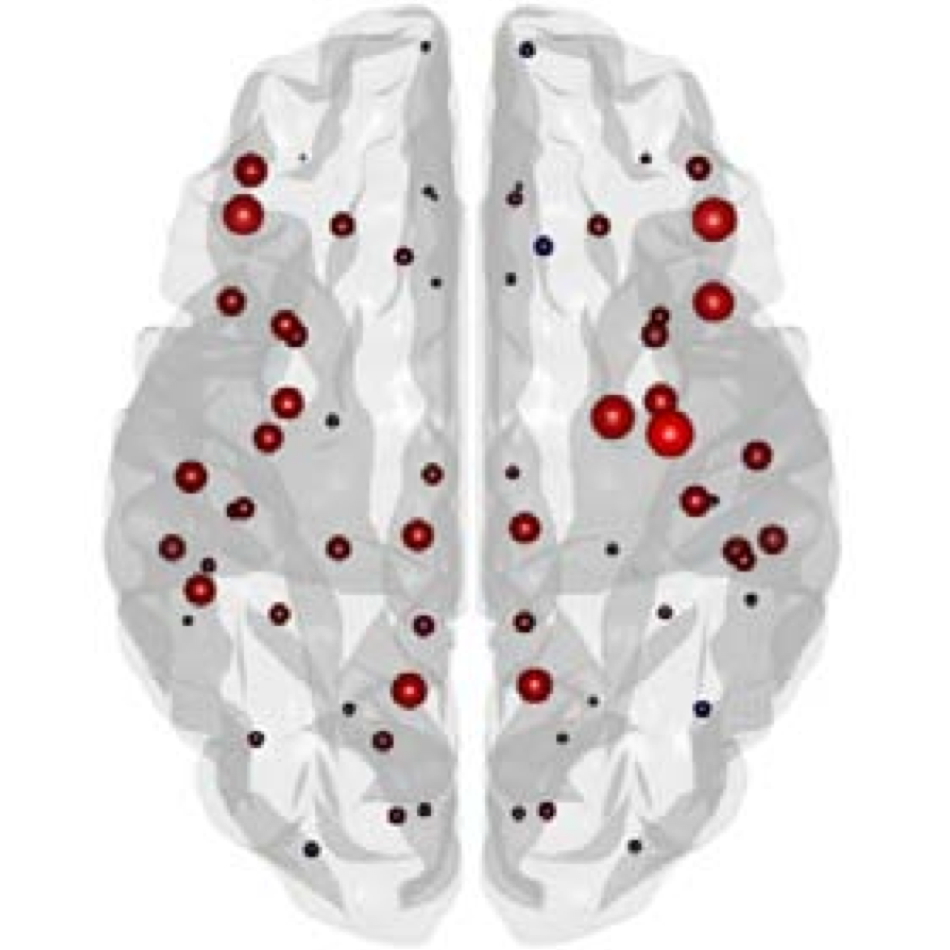
Gamma efficiency for older adults.
Age-related differences in network structure and dynamic synchrony of cognitive control
T. Hinault, M. Mijalkov, J.B. Pereira, Giovanni Volpe, A. Bakker, S.M. Courtney
NeuroImage 236, 118070 (2021)
biorXiv: 10.1101/2020.10.09.333567
doi: 10.1016/j.neuroimage.2021.118070

Cognitive trajectories vary greatly across older individuals, and the neural mechanisms underlying these differences remain poorly understood. Here, we propose a mechanistic framework of cognitive variability in older adults, linking the influence of white matter microstructure on fast and effective communications between brain regions. Using diffusion tensor imaging and electroencephalography, we show that individual differences in white matter network organization are associated with network clustering and efficiency in the alpha and high-gamma bands, and that functional network dynamics partly explain individual cognitive control performance in older adults. We show that older individuals with high versus low structural network clustering differ in task-related network dynamics and cognitive performance. These findings were corroborated by investigating magnetoencephalography networks in an independent dataset. This multimodal brain connectivity framework of individual differences provides a holistic account of how differences in white matter microstructure underlie age-related variability in dynamic network organization and cognitive performance.

Laura Pérez García wins the paper prize student at OSA OMA Biophotonics 2021

Laura Pérez Garcia won the prize for 2021 OSA Biophotonics Congress: Optics in the Life Sciences Student Paper Prize in the OSA-OMA Biophotonics 2021, with the work titled FORMA and BEFORE: expanding applications of optical tweezers.

Press release on Machine learning can help slow down future pandemics

Comparison of different evolution regimes of disease spreading: free evolution (bottom left half) vs network strategy (top right half). (Image by Laura Natali.)

The article Improving epidemic testing and containment strategies using machine learning has been featured in the News of the Faculty of Science of Gothenburg University.

Here the links to the press releases:
Swedish: Maskininlärning kan bidra till att bromsa framtida pandemier
English: Machine learning can help slow down future pandemics

The articles was also featured in:
AI ska bromsa framtidens pandemier Metal Supply (23/04/2021)
El papel de la inteligencia artificial para frenar futuras pandemias El Nacional.cat. (16/04/2021)
AI could be critical to preventing future pandemics – study Health Tech World. (16/04/2021)
Machine Learning Slows Down Future Pandemics MedIndia. (15/04/2021)
Machine Learning May Be Key to Avoiding the Next Possible Pandemic News18.com (15/04/2021)
Så kan AI bromsa nästa pandemi – svensk forskningförfinar testningen Computer Sweden (15/04/2021)
AI could prevent future pandemics Electronics360 (14/04/2021)
L’IA peut contribuer à limiter la propagation des infections lors des futures épidémies (étude) Ecofin Telecom. (14/04/2021)
Machine Learning can help slow down future pandemics:Study SocialNews.xyz (14/04/2021)
Machine learning can help slow down future pandemics —ScienceDaily Sortiwa Trending Viral News Portal (14/04/2021)
AI mot smittspridning Sveriges Radio Vetenskapsradion. (14/04/2021)

Soft Matter Lab’s presentations at OSA-OMA 2021

The Soft Matter Lab is involved in six presentations at the OSA Biophotonic Congress: Optics in the Life Sciences 2021, topical meeting of Optical Manipulation and its Applications.
Moreover, three of the presentations were selected as finalists for the best student paper in the topical meeting of Optical Manipulation and its Applications.

You can find the details below:

12 April

15 April

16 April

  • 16:15 CEST
    Calibration of Force Fields Using Recurrent Neural Networks (AF2D.4)
    Aykut Argun, University of Gothenburg