Extracting quantitative biological information from bright-field cell images using deep learning published in Biophysics Reviews

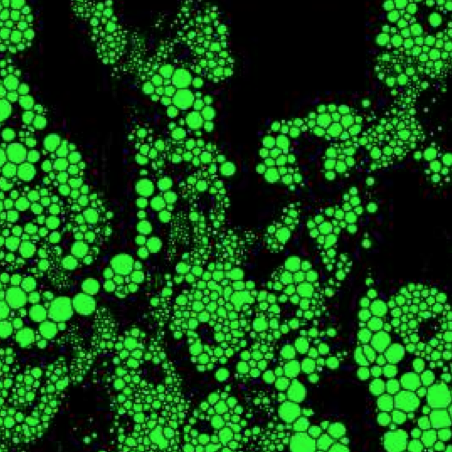
Virtually-stained generated image for lipid-droplet.
Extracting quantitative biological information from bright-field cell images using deep learning
Saga Helgadottir, Benjamin Midtvedt, Jesús Pineda, Alan Sabirsh, Caroline B. Adiels, Stefano Romeo, Daniel Midtvedt, Giovanni Volpe
Biophysics Rev. 2, 031401 (2021)
arXiv: 2012.12986
doi: 10.1063/5.0044782

Quantitative analysis of cell structures is essential for biomedical and pharmaceutical research. The standard imaging approach relies on fluorescence microscopy, where cell structures of interest are labeled by chemical staining techniques. However, these techniques are often invasive and sometimes even toxic to the cells, in addition to being time-consuming, labor-intensive, and expensive. Here, we introduce an alternative deep-learning-powered approach based on the analysis of bright-field images by a conditional generative adversarial neural network (cGAN). We show that this approach can extract information from the bright-field images to generate virtually-stained images, which can be used in subsequent downstream quantitative analyses of cell structures. Specifically, we train a cGAN to virtually stain lipid droplets, cytoplasm, and nuclei using bright-field images of human stem-cell-derived fat cells (adipocytes), which are of particular interest for nanomedicine and vaccine development. Subsequently, we use these virtually-stained images to extract quantitative measures about these cell structures. Generating virtually-stained fluorescence images is less invasive, less expensive, and more reproducible than standard chemical staining; furthermore, it frees up the fluorescence microscopy channels for other analytical probes, thus increasing the amount of information that can be extracted from each cell.

Classification, inference and segmentation of anomalous diffusion with recurrent neural networks published in Journal of Physics A: Mathematical and Theoretical

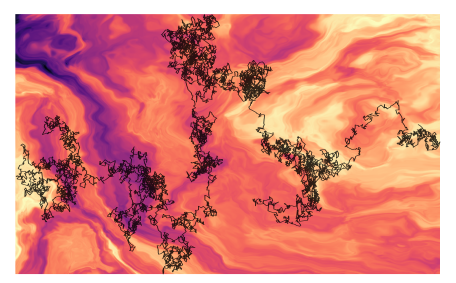
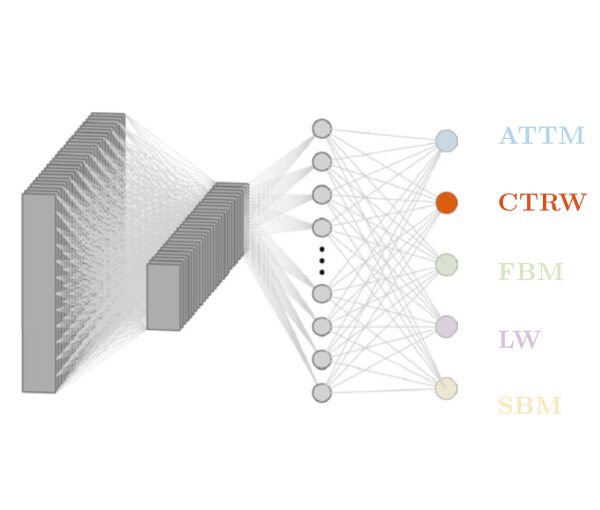
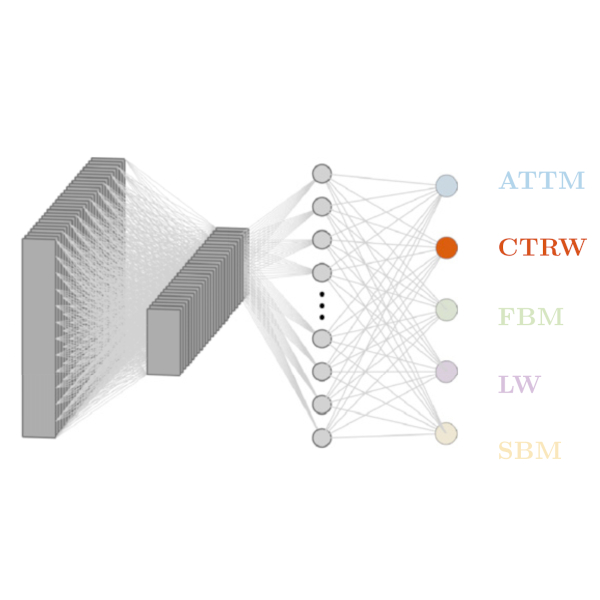
RANDI architecture to classify the model underlying anomalous diffusion.
Classification, inference and segmentation of anomalous diffusion with recurrent neural networks
Aykut Argun, Giovanni Volpe, Stefano Bo
J. Phys. A: Math. Theor. 54 294003 (2021)
doi: 10.1088/1751-8121/ac070a
arXiv: 2104.00553

Countless systems in biology, physics, and finance undergo diffusive dynamics. Many of these systems, including biomolecules inside cells, active matter systems and foraging animals, exhibit anomalous dynamics where the growth of the mean squared displacement with time follows a power law with an exponent that deviates from 1. When studying time series recording the evolution of these systems, it is crucial to precisely measure the anomalous exponent and confidently identify the mechanisms responsible for anomalous diffusion. These tasks can be overwhelmingly difficult when only few short trajectories are available, a situation that is common in the study of non-equilibrium and living systems. Here, we present a data-driven method to analyze single anomalous diffusion trajectories employing recurrent neural networks, which we name RANDI. We show that our method can successfully infer the anomalous exponent, identify the type of anomalous diffusion process, and segment the trajectories of systems switching between different behaviors. We benchmark our performance against the state-of-the art techniques for the study of single short trajectories that participated in the Anomalous Diffusion (AnDi) challenge. Our method proved to be the most versatile method, being the only one to consistently rank in the top 3 for all tasks proposed in the AnDi challenge.

Dendritic spines are lost in clusters in patients with Alzheimer’s disease published in Scientific Report

Combined confocal microscopy picture showing a neuron with a soma free of PHF-tau.
Dendritic spines are lost in clusters in patients with Alzheimer’s disease
Mite Mijalkov, Giovanni Volpe, Isabel Fernaud-Espinosa, Javier DeFelipe, Joana B. Pereira, Paula Merino-Serrais
Sci. Rep. 11, 12350 (2021)
doi: 10.1038/s41598-021-91726-x
biorXiv: 10.1101/2020.10.20.346718

Alzheimer’s disease (AD) is a progressive neurodegenerative disorder characterized by a deterioration of neuronal connectivity. The pathological accumulation of tau protein in neurons is one of the hallmarks of AD and has been connected to the loss of dendritic spines of pyramidal cells, which are the major targets of cortical excitatory synapses and key elements in memory storage. However, the detailed mechanisms underlying the loss of dendritic spines in patients with AD are still unclear. Here, comparing dendrites with and without tau pathology of AD patients, we show that the presence of tau pathology determines the loss of dendritic spines in blocks, ruling out alternative models where spine loss occurs randomly. Since memory storage has been associated with synaptic clusters, the present results provide a new insight into the mechanisms by which tau drives synaptic damage in AD, paving the way to memory deficits by altering spine organization.

Improving epidemic testing and containment strategies using machine learning published in Machine Learning: Science and Technology

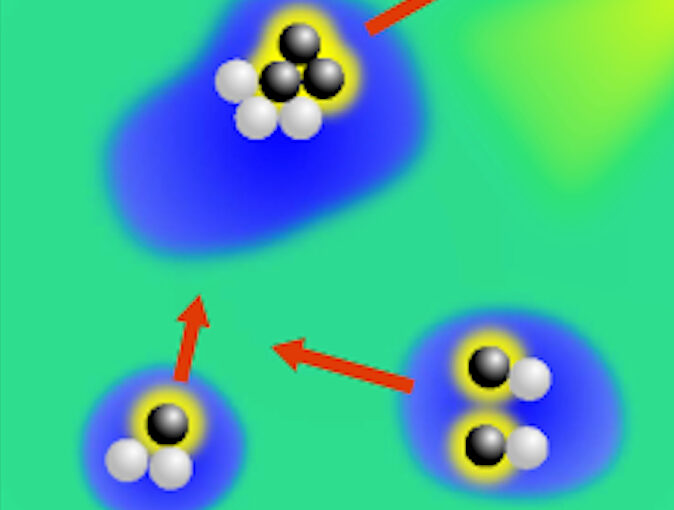
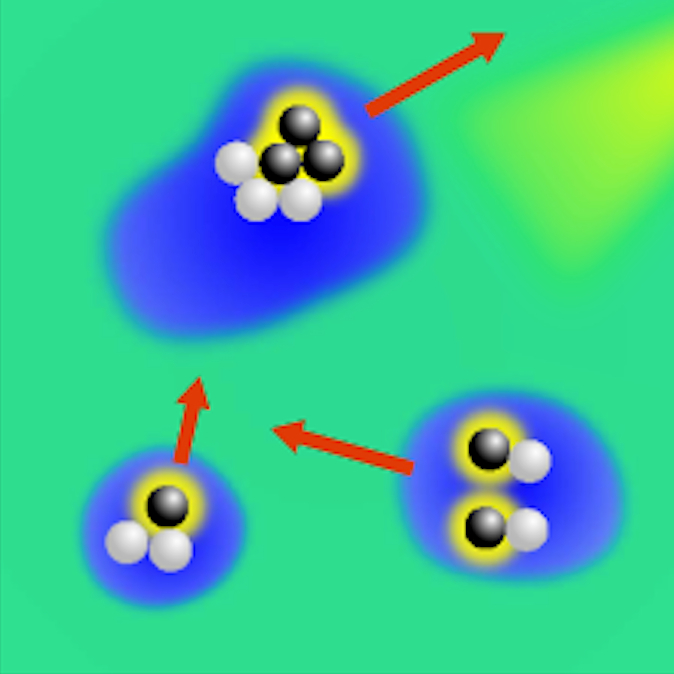
Comparison of different evolution regimes of disease spreading: free evolution (bottom left half) vs network strategy (top right half).
Improving epidemic testing and containment strategies using machine learning
Laura Natali, Saga Helgadottir, Onofrio M. Maragò, Giovanni Volpe
Machine Learning: Science and Technology, 2 035007 (2021)
doi: 10.1088/2632-2153/abf0f7
arXiv: 2011.11717

Containment of epidemic outbreaks entails great societal and economic costs. Cost-effective containment strategies rely on efficiently identifying infected individuals, making the best possible use of the available testing resources. Therefore, quickly identifying the optimal testing strategy is of critical importance. Here, we demonstrate that machine learning can be used to identify which individuals are most beneficial to test, automatically and dynamically adapting the testing strategy to the characteristics of the disease outbreak. Specifically, we simulate an outbreak using the archetypal susceptible-infectious-recovered (SIR) model and we use data about the first confirmed cases to train a neural network that learns to make predictions about the rest of the population. Using these prediction, we manage to contain the outbreak more effectively and more quickly than with standard approaches. Furthermore, we demonstrate how this method can be used also when there is a possibility of reinfection (SIRS model) to efficiently eradicate an endemic disease.

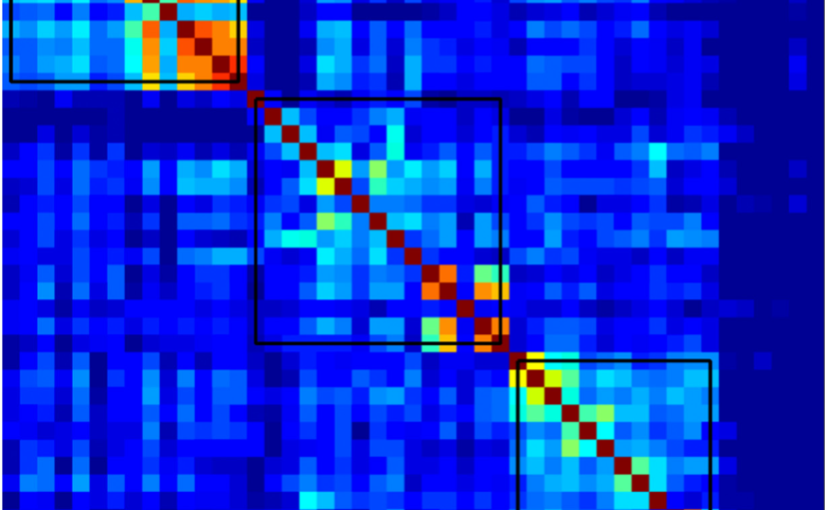
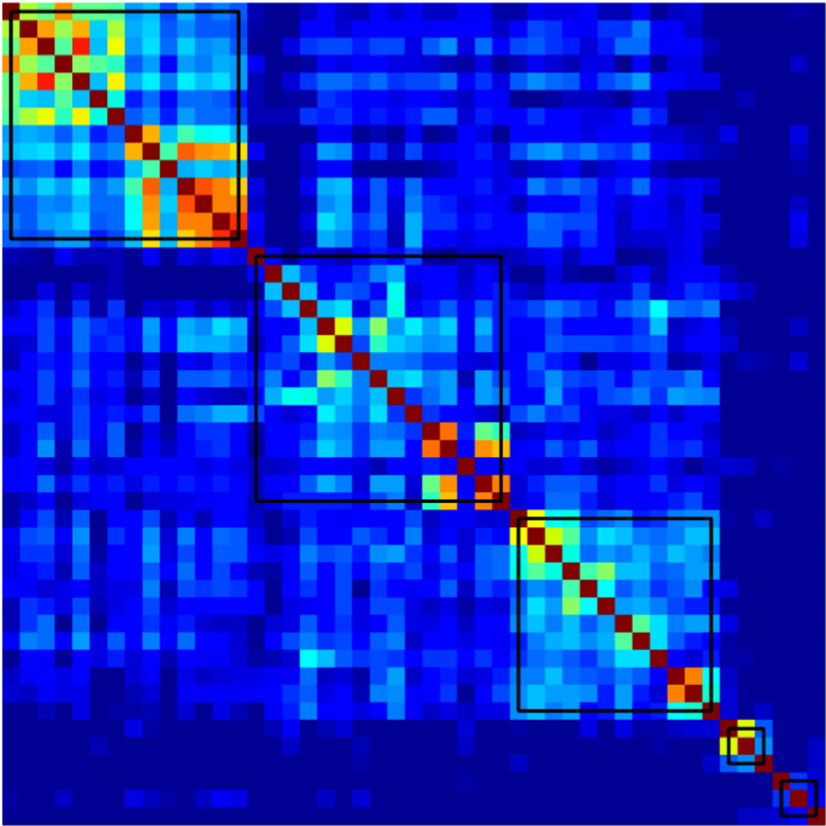
Age-related differences in network structure and dynamic synchrony of cognitive control on biorXiv

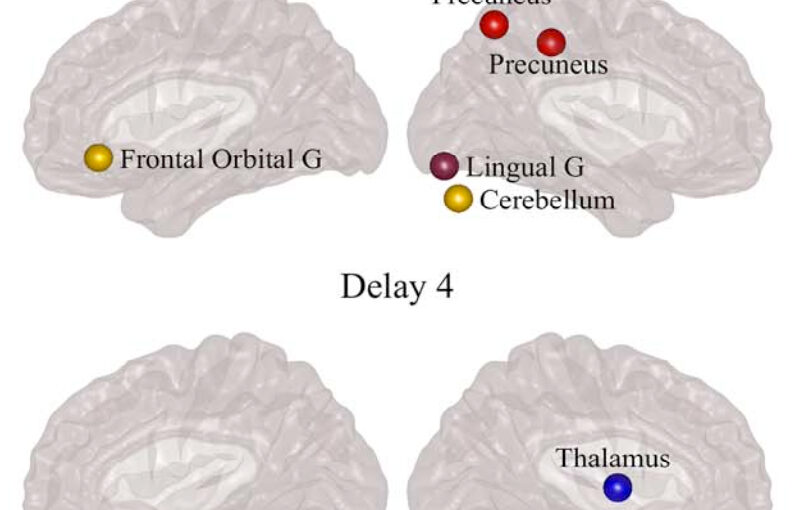
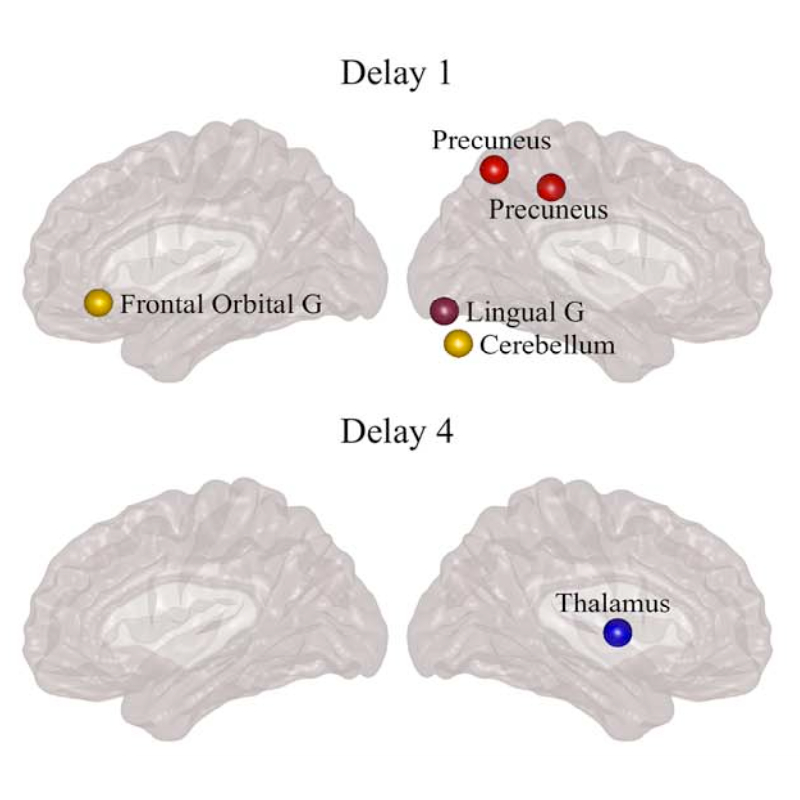
Gamma efficiency for older adults.
Age-related differences in network structure and dynamic synchrony of cognitive control
T. Hinault, M. Mijalkov, J.B. Pereira, Giovanni Volpe, A. Bakker, S.M. Courtney
NeuroImage 236, 118070 (2021)
biorXiv: 10.1101/2020.10.09.333567
doi: 10.1016/j.neuroimage.2021.118070

Cognitive trajectories vary greatly across older individuals, and the neural mechanisms underlying these differences remain poorly understood. Here, we propose a mechanistic framework of cognitive variability in older adults, linking the influence of white matter microstructure on fast and effective communications between brain regions. Using diffusion tensor imaging and electroencephalography, we show that individual differences in white matter network organization are associated with network clustering and efficiency in the alpha and high-gamma bands, and that functional network dynamics partly explain individual cognitive control performance in older adults. We show that older individuals with high versus low structural network clustering differ in task-related network dynamics and cognitive performance. These findings were corroborated by investigating magnetoencephalography networks in an independent dataset. This multimodal brain connectivity framework of individual differences provides a holistic account of how differences in white matter microstructure underlie age-related variability in dynamic network organization and cognitive performance.

Non-equilibrium properties of an active nanoparticle in a harmonic potential published in Nature Commun.

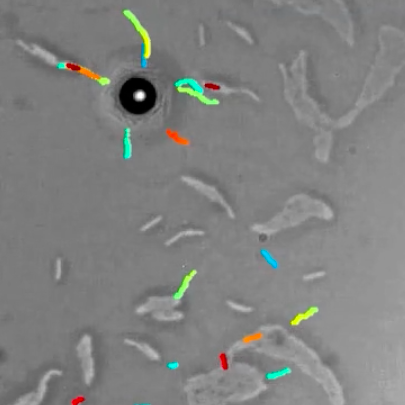
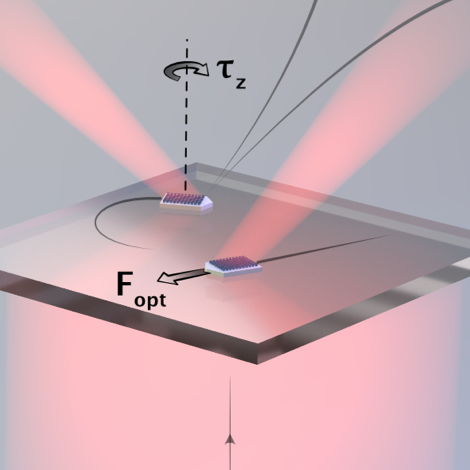
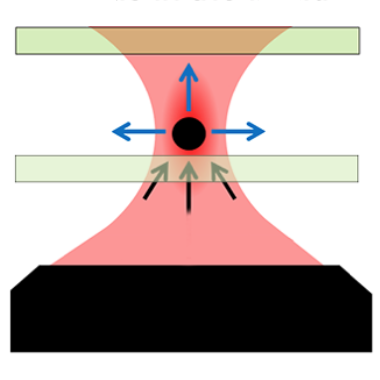
Non-spherical nanoparticle held by optical tweezers. The particle is trapped against the cover slide.

Non-equilibrium properties of an active nanoparticle in a harmonic potential
Falko Schmidt, Hana Šípová-Jungová, Mikael Käll, Alois Würger & Giovanni Volpe
Nature Communications 12, 1902 (2021)
doi: 10.1038/s41467-021-22187-z
arXiv: 2009.08393

Active particles break out of thermodynamic equilibrium thanks to their directed motion, which leads to complex and interesting behaviors in the presence of confining potentials. When dealing with active nanoparticles, however, the overwhelming presence of rotational diffusion hinders directed motion, leading to an increase of their effective temperature, but otherwise masking the effects of self-propulsion. Here, we demonstrate an experimental system where an active nanoparticle immersed in a critical solution and held in an optical harmonic potential features far-from-equilibrium behavior beyond an increase of its effective temperature. When increasing the laser power, we observe a cross-over from a Boltzmann distribution to a non-equilibrium state, where the particle performs fast orbital rotations about the beam axis. These findings are rationalized by solving the Fokker-Planck equation for the particle’s position and orientation in terms of a moment expansion. The proposed self-propulsion mechanism results from the particle’s non-sphericity and the lower critical point of the solute.

Optical Tweezers: A Comprehensive Tutorial from Calibration to Applications accepted on Advances in Optics and Photonics

Schematic of a bistable potential generated with a double-beam optical tweezers.

Optical Tweezers: A Comprehensive Tutorial from Calibration to Applications
Jan Gieseler, Juan Ruben Gomez-Solano, Alessandro Magazzù, Isaac Pérez Castillo, Laura Pérez García, Marta Gironella-Torrent, Xavier Viader-Godoy, Felix Ritort, Giuseppe Pesce, Alejandro V. Arzola, Karen Volke-Sepulveda & Giovanni Volpe
Advances in Optics and Photonics, 13(1), 74-241 (2021)
doi: https://doi.org/10.1364/AOP.394888
arXiv: 2004.05246

Since their invention in 1986 by Arthur Ashkin and colleagues, optical tweezers have become an essential tool in several fields of physics, spectroscopy, biology, nanotechnology, and thermodynamics. In this Tutorial, we provide a primer on how to calibrate optical tweezers and how to use them for advanced applications. After a brief general introduction on optical tweezers, we focus on describing and comparing the various available calibration techniques. Then, we discuss some cutting-edge applications of optical tweezers in a liquid medium, namely to study single-molecule and single-cell mechanics, microrheology, colloidal interactions, statistical physics, and transport phenomena. Finally, we consider optical tweezers in vacuum, where the absence of a viscous medium offers vastly different dynamics and presents new challenges. We conclude with some perspectives for the field and the future application of optical tweezers. This Tutorial provides both a step-by-step guide ideal for non-specialists entering the field and a comprehensive manual of advanced techniques useful for expert practitioners. All the examples are complemented by the sample data and software necessary to reproduce them.

Quantitative Digital Microscopy with Deep Learning published in Applied Physics Reviews

Particle tracking and characterization in terms of radius and refractive index.

Quantitative Digital Microscopy with Deep Learning
Benjamin Midtvedt, Saga Helgadottir, Aykut Argun, Jesús Pineda, Daniel Midtvedt, Giovanni Volpe
Applied Physics Reviews 8, 011310 (2021)
doi: 10.1063/5.0034891
arXiv: 2010.08260

Video microscopy has a long history of providing insights and breakthroughs for a broad range of disciplines, from physics to biology. Image analysis to extract quantitative information from video microscopy data has traditionally relied on algorithmic approaches, which are often difficult to implement, time consuming, and computationally expensive. Recently, alternative data-driven approaches using deep learning have greatly improved quantitative digital microscopy, potentially offering automatized, accurate, and fast image analysis. However, the combination of deep learning and video microscopy remains underutilized primarily due to the steep learning curve involved in developing custom deep-learning solutions. To overcome this issue, we introduce a software, DeepTrack 2.0, to design, train and validate deep-learning solutions for digital microscopy. We use it to exemplify how deep learning can be employed for a broad range of applications, from particle localization, tracking and characterization to cell counting and classification. Thanks to its user-friendly graphical interface, DeepTrack 2.0 can be easily customized for user-specific applications, and, thanks to its open-source object-oriented programming, it can be easily expanded to add features and functionalities, potentially introducing deep-learning-enhanced video microscopy to a far wider audience.

Optical trapping and critical Casimir forces published in EPJP

Measuring the dynamics of colloids interacting with critical Casimir interaction via blinking optical tweezers: graphical representation of the optical traps.

Optical trapping and critical Casimir forces
Agnese Callegari, Alessandro Magazzù, Andrea Gambassi & Giovanni Volpe
The European Physical Journal Plus (EPJP), 136, 213 (2021)
doi: 10.1140/epjp/s13360-020-01020-4
arXiv: 2008.01537

Critical Casimir forces emerge between objects, such as colloidal particles, whenever their surfaces spatially confine the fluctuations of the order parameter of a critical liquid used as a solvent. These forces act at short but microscopically large distances between these objects, reaching often hundreds of nanometers. Keeping colloids at such distances is a major experimental challenge, which can be addressed by the means of optical tweezers. Here, we review how optical tweezers have been successfully used to quantitatively study critical Casimir forces acting on particles in suspensions. As we will see, the use of optical tweezers to experimentally study critical Casimir forces can play a crucial role in developing nano-technologies, representing an innovative way to realize self-assembled devices at the nano- and microscale.

Intercellular Communication Induces Glycolytic Synchronisation Waves published in PNAS

Intercellular communication induces glycolytic synchronization waves between individually oscillating cells
Martin Mojica-Benavides, David D. van Niekerk, Mite Mijalkov, Jacky L. Snoep, Bernhard Mehlig, Giovanni Volpe, Caroline B. Adiels & Mattias Goksör
PNAS 118(6), e2010075118 (2021)
doi: 10.1073/pnas.2010075118
arXiv: 1909.05187

Metabolic oscillations in single cells underlie the mechanisms behind cell synchronization and cell-cell communication. For example, glycolytic oscillations mediated by biochemical communication between cells may synchronize the pulsatile insulin secretion by pancreatic tissue, and a link between glycolytic synchronization anomalies and type-2 diabetes has been hypotesized. Cultures of yeast cells have provided an ideal model system to study synchronization and propagation waves of glycolytic oscillations in large populations. However, the mechanism by which synchronization occurs at individual cell-cell level and overcome local chemical concentrations and heterogenic biological clocks, is still an open question because of experimental limitations in sensitive and specific handling of single cells. Here, we show how the coupling of intercellular diffusion with the phase regulation of individual oscillating cells induce glycolytic synchronization waves. We directly measure the single-cell metabolic responses from yeast cells in a microfluidic environment and characterize a discretized cell-cell communication using graph theory. We corroborate our findings with simulations based on a kinetic detailed model for individual yeast cells. These findings can provide insight into the roles cellular synchronization play in biomedical applications, such as insulin secretion regulation at the cellular level.