Norma Caridad Palmero Cruz
Date: 11 March 2026
Time: 18.00-20.00
Place: Aula Medica, Stockholm Sweden
Conference Protein Folding in Real Time, 11-13 March 2026, Stockholm, Sweden
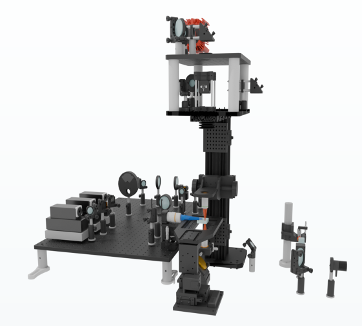
The gut-brain axis is a complex, bidirectional network linking the microbiome to the central nervous system, significantly affecting physiological processes and neurological health, including conditions like autism and depression. Due to the genetic similarities between zebrafish and humans, the zebrafish serves as a valuable model for investigating the bidirectional relationship between the gut and brain, offering insights into how it compares with human behaviors. Research on the connection between gut and brain development typically involves using germ-free lab animals, where the microbiome is eliminated, and comparing them to those with restored microbiomes. However, this method does not capture the complexity of microbiome-nervous system communication due to its all-or-nothing approach. This work presents a setup that combines microfluidic techniques, optical tweezers, and light sheet microscopy to precisely manipulate the microbiome in larval zebrafish in situ and in vivo. This approach offers deeper insights into gut-brain connectivity and its impact on neurological health.